Summary
Like any game you’d play with friends,Dungeons & Dragonslends itself to a host of different homebrew options and house rules. No two tables are going to play D&D the same way, and just about every aspect of the game is up for grabs when it comes to making changes.
Initiative isone of the most basic rulesfor combat in D&D, but it’s also one of the most commonly changed when DMs make their own house rules. We’ve hand-picked some of the most common (and most intuitive) rules for you to make combat more enjoyable in your game.

8Roll Initiative At Start of Session
Saving You A Lot Of Time
Rolling for initiative at the start of a session allows you to progress seamlessly from roleplay to combat once the game has already started. It makes your combat feel more immersive, and ensures that out-of-character talk is kept to a minimum during narratively tense moments.
There are two drawbacks to this house rule. The first is that it can make initiative seem like a chore before settling in, so attempt to lighten the mood with some small talk as you’re rolling dice. The second is that it can make boss fights seem just a touch less dynamic, so consider calling for another initiative roll before narratively important encounters.

7Players Can Lower Their Own Initiative
Best For Close Knit Tables
Sometimes, players have awesome ideas in their head that they just can’t put into fruition due to initiative rolls. Your cleric might want to set up a Guiding Bolt/sneak attack combo with your rogue, but then your rogue rolls higher and the best laid plans fall apart. It doesn’t have to be this way.
If you trust your players, you can always rule that they’re allowed to lower their own initiative score before combat. You might want to impose a few reasonable limits so that this isn’t abused, such as only allowing the score to be lowered within a specific range. Additionally, if this rule isn’t for you, remind players that they can still ready actions.

6Roll Initiative At Start Of Dungeon Crawls
Saving You A Little Time
If you’re not on board with rolling for initiative at the start of every session, consider rolling at the start of a dungeon crawl. This is useful if you enter a dungeon during the middle of a session, but it’s also a great way to set a clear divide between a dungeon area and downtime.
Obviously, this comes with most of the same drawbacks that rolling at the start of a session would bring. It’s also not the best piece of advice if you’re running a campaign where dungeons aren’t as big a deal, such as a wilderness survival campaign. Once again, you might want to do another initiative roll when the boss fight comes around.

5Use Other Skills And Attributes For Initiative
Pathfinder Does It
Pathfinder’s second edition has a great rule for initiative thatyou might want to consider implementingin Dungeons & Dragons. Instead of using your Dexterity modifier for initiative, players can opt to use whatever skill they can justify. This means, for instance, that a rogue who wants to score a surprise round can do so by using their Stealth skill for initiative.
There aren’t many drawbacks to this rule, save any potential headaches you might have as your players desperately try to justify using a skill you know makes no sense. If you need a “default” skill to fall back on, use Perception. Whichever side sees the other first will then have the upper hand when it comes to initiative.

4Use Flat Modifiers As Initiative Scores
Who Needs Math Anyway?
If you don’t want to bother with all those dice rolls, you’re able to simply use a character’s Dexterity modifier to determine their initiative order. Sure, it makes combat somewhat predictable, but it makes setting up encounters go by much quicker. One of the biggest complaints Fifth Edition has is how combat, which is supposed to be fast-paced and dynamic narratively, slows to a crawl in practice.
As simple as this rule is, it’s not without its drawbacks. Less nimble party members, such as your group’s paladin, might be resentful of always having to come in last when it comes to turn order. Additionally, you’ll have to have a number of tiebreaker rules at the ready in case two of your players have the same Dexterity modifier.

3Roll For Initiative Every Round
For Maximum Chaos
Rolling initiative at the start of every round can sound odd at first, but it’s a great way to make combat more dynamic. Once you account for initiative bonuses given by feats, your players will start to sweat a little. If a player is doing well because they scored high on their first roll, they’re not guaranteed the same luck on subsequent rounds.
While this rule can keep your players on their toes, it runs into one huge problem: slowing combat down to a crawl. Combat in D&D is bogged down enough as it is, so we recommend that you don’t use this rule for encounters that involve large groups. Instead, consider it for one-on-one fights.
2Mob Enemies Attack On One Initiative
When Characterization Doesn’t Matter
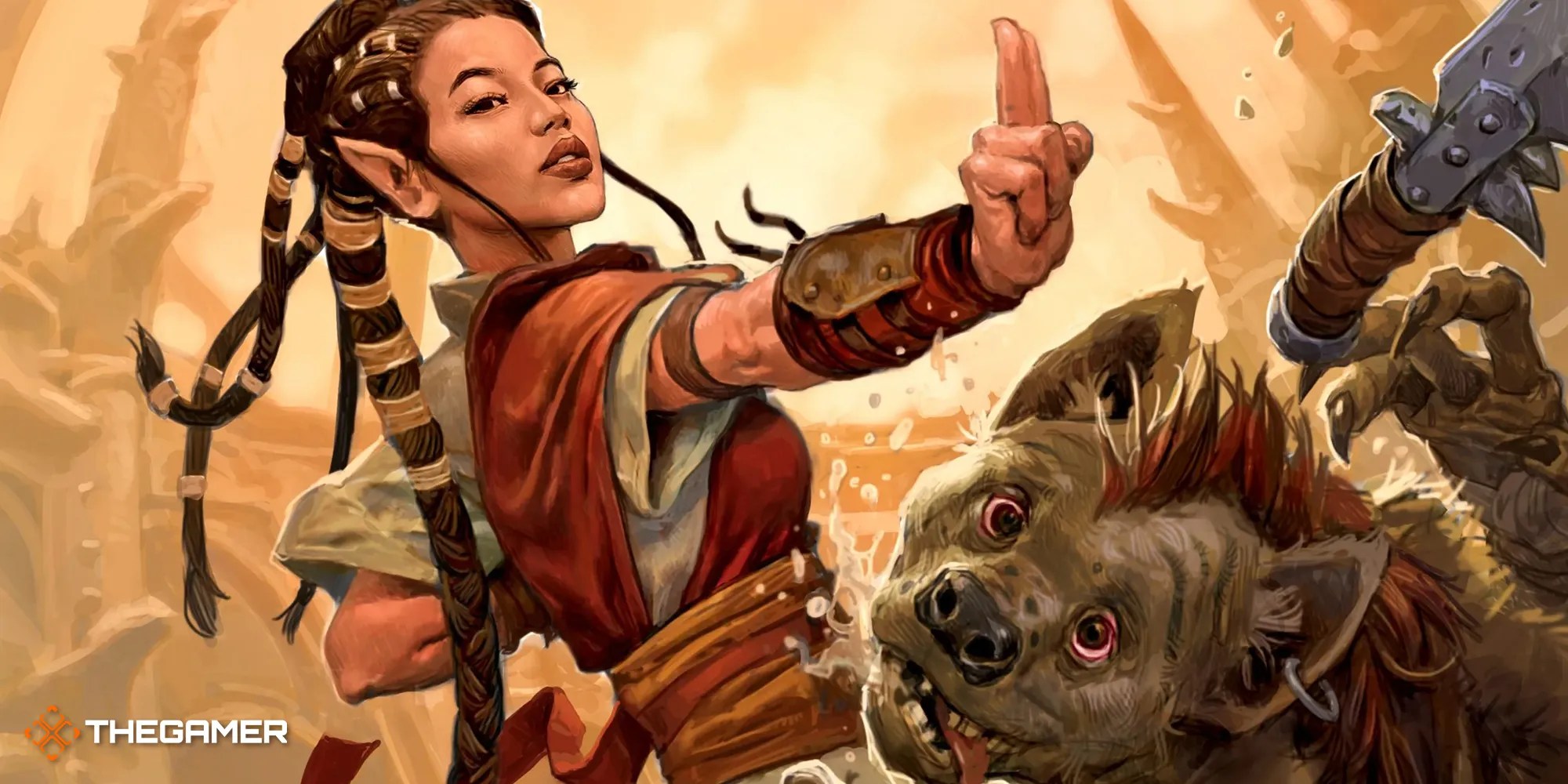
One rule that loads of DMs use is to have indistinct “mob” enemies all attack on the same turn. If a fight has loads of cannon fodder goons, it can be exhausting to roll and track initiative for all of them. Instead, considerhaving your goblins, kobolds, gnomes, or other low-HP mooks attack in “waves” that all use the same initiative roll.
There aren’t many drawbacks to this rule. Probably the worst that could happen is you losing track of one or two enemies' actions, but that tends to happen anyway during most sessions. If you regularly run encounters with loads of enemies, this house rule is a real time-saver.

1Scrapping Initiative
When Dice Rolls Are A Mere Suggestion
Sometimes you don’t need any math or dice rolls to handle initiative in your games. If your party comes across a single, weak enemy, you can narrate them killing it without the need to slow the session down in combat. Alternatively, you could simply improvise combat rounds with whatever makes sense for the situation.
While this is great for roleplay-heavy groups, you really need to be careful with this one. It’s best used for groups that already know each other well, otherwise you could be in for arguments over who gets to go first. If you’re able to keep track of combat without any math, however, this is a great way to make fights go by quicker.
